日本語

── Exhibits ──

Wakayama has always lived alongside water, from the sea to its rivers.

Wakayama, a land of water. Your journey begins here.
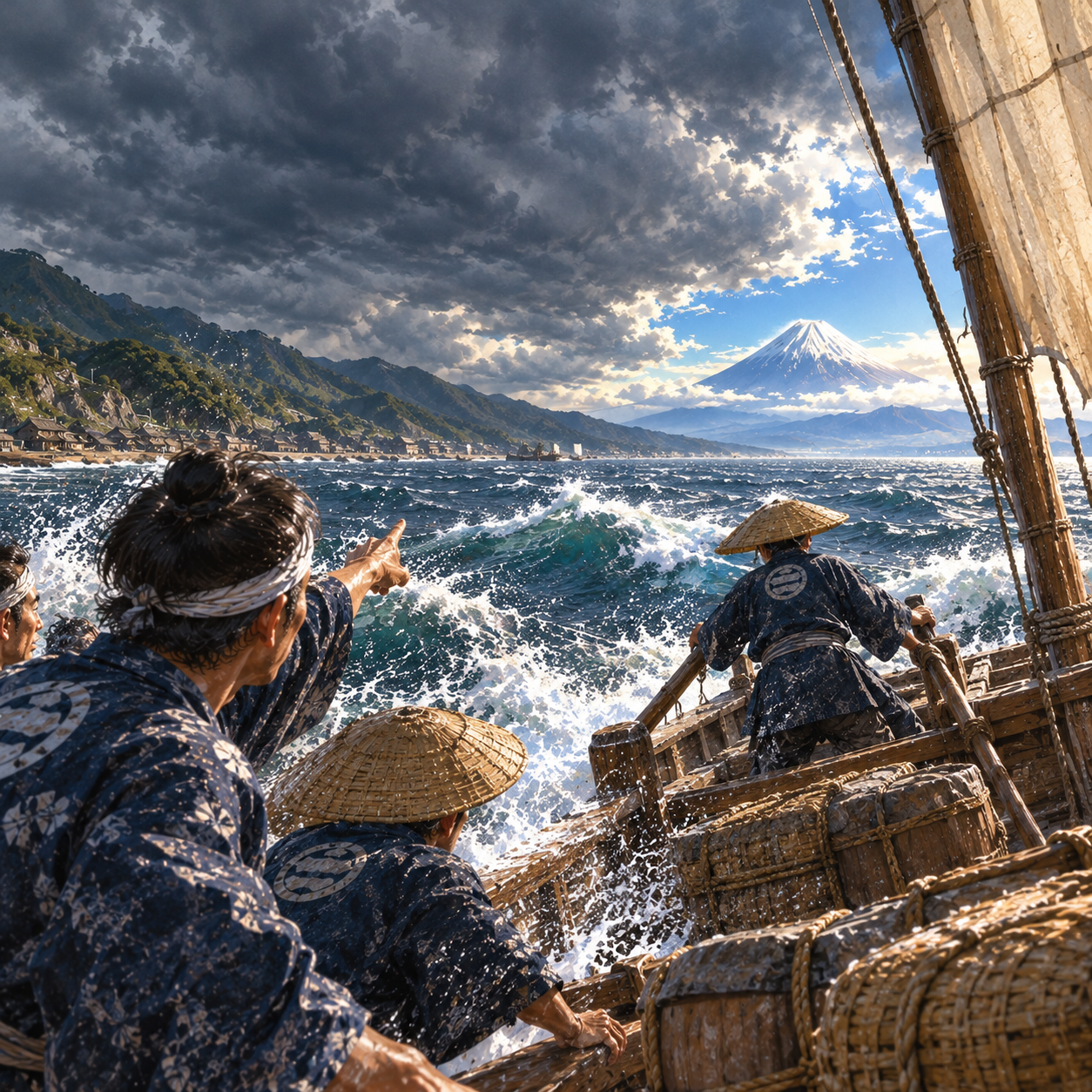
Exhibit 1

Journey to Edo

A Voyage from Kishu to Edo

Wakayama, once known as Kishu, prospered through maritime trade.

Follow the route from Kishu to Edo, present-day Tokyo, and discover the history of Japan's coastal trade.
Let the journey begin!
Ride the Kuroshio Current to Edo!
Why should this exhibit be in Wakayama?
During the Edo period, Wakayama shipped oranges, plums, binchotan charcoal, timber, and other goods to Edo, prospering through maritime trade.
This exhibit brings to life the sea route from Kishu to Edo through both marine life and history. It is an experience uniquely suited to Wakayama.
Why explore history as well as marine life?
Because we want to shine a light on how people have lived alongside nature.
By exploring not only marine life but also human activity, this aquarium can spark curiosity across many fields—from biology and geology to history, fisheries, and folklore.
Will there be whale sharks?
This aquarium is not intended to be a place focused solely on the size and spectacle of rare animals.
By developing an identity distinct from nearby Osaka Aquarium Kaiyukan and putting Wakayama’s seascapes and history at the heart of the experience, each aquarium can offer its own unique value.
Will there be dolphin shows?
Facilities in southern Wakayama already offer dolphin encounters and shows.
Rather than duplicating those experiences, this aquarium aims to offer something new: seascapes, the lives of marine creatures, and the history of maritime trade.

Exhibit 2

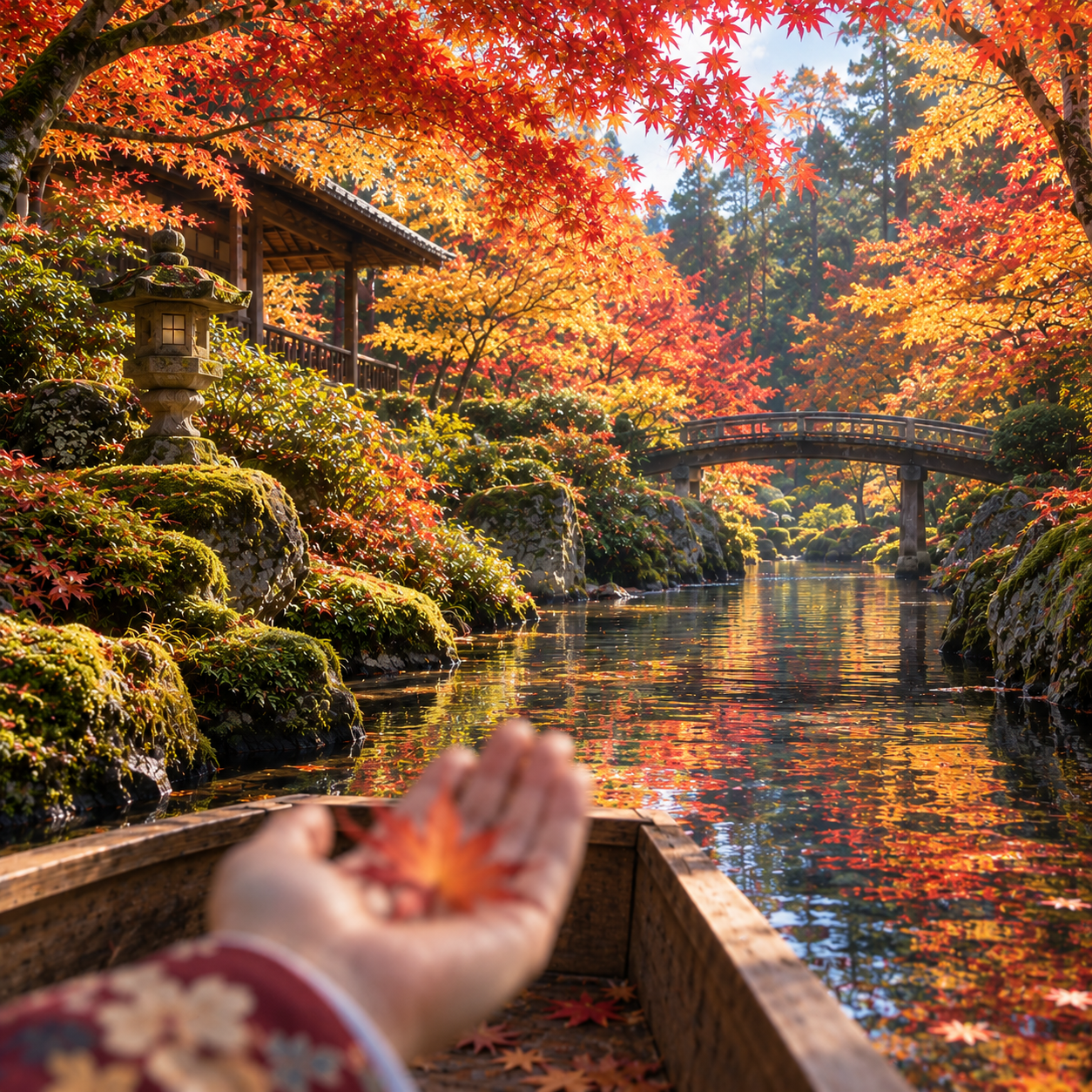
The Waterscapes of Kansai

A Journey through Kansai’s Waterscapes

Kansai, which includes Wakayama, has long been a center of Japanese culture.

Explore Kansai’s seas and rivers, as well as its lakes and forests.
Let the journey begin!
Discover Kansai from the perspective of water!
Why should this exhibit be in Wakayama?
Kansai is home to a rich variety of aquatic environments, from seas and lakes to rivers and wetlands. Exploring them in one aquarium offers a chance to rediscover the region’s waterside wonders.
Wakayama, where larger sites are more attainable, offers the opportunity to bring this vision to life on a broad scale.
Will you also feature waterscapes from places outside Wakayama, such as Kyoto and Osaka?
Yes. We believe the aquarium should also feature other areas of Kansai beyond Wakayama.
The aim is not only to showcase Wakayama, but to create a place where visitors can experience the waterscapes of the entire Kansai region.
By connecting each area’s waterscapes into a single journey, Wakayama can become a gateway to exploring Kansai’s waters. Exhibits that cross regional boundaries can also reveal new attractions in Wakayama.

Exhibit 3

The Waterscapes of Kansai

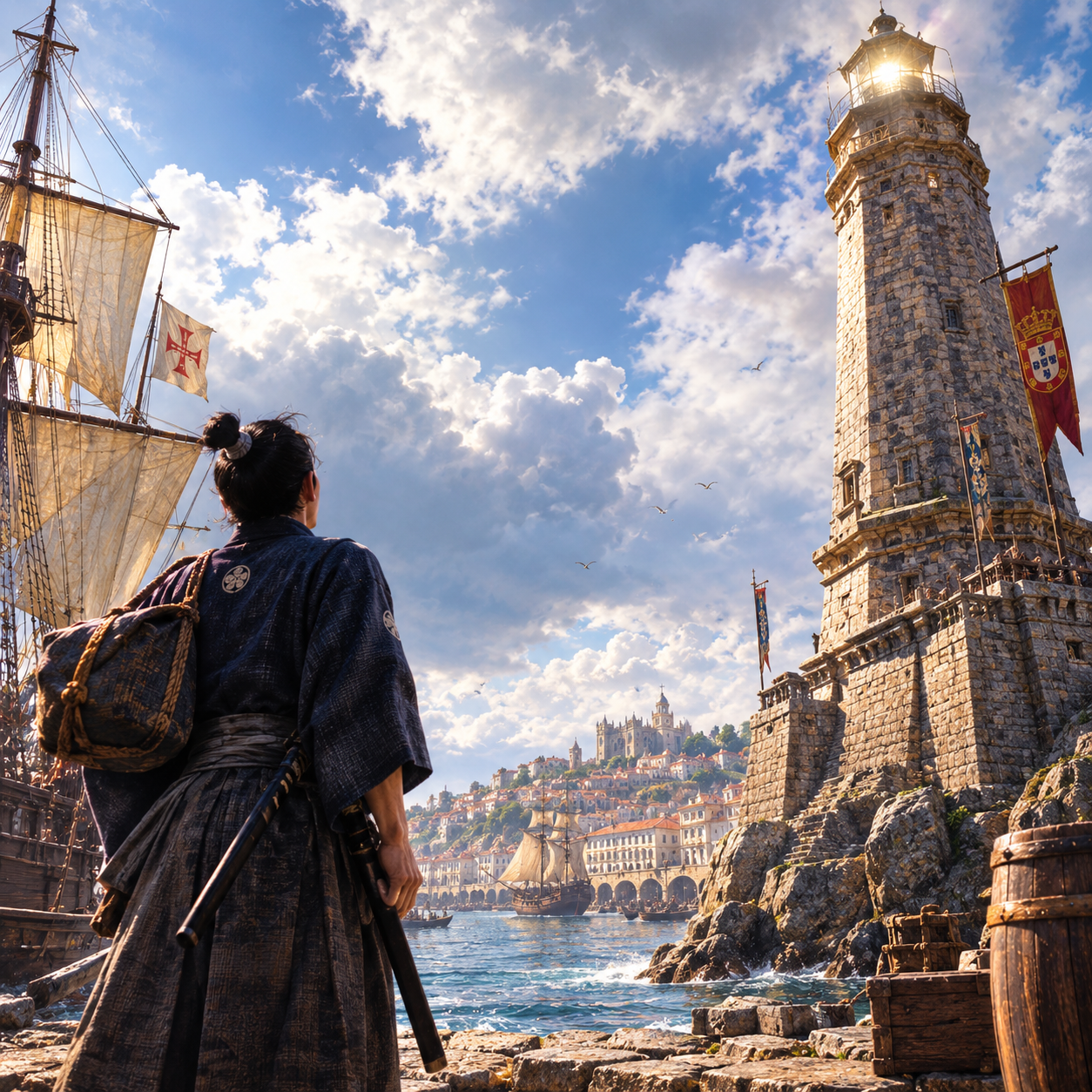
A Journey through Nanban Trade (Proposed Future Expansion)

During the Sengoku period, Wakayama was connected to the West by sea.

Follow the traces of Nanban trade, sailing westward.
Let the journey begin!
Set sail on a voyage to explore the wider world!
Why should this exhibit be in Wakayama?
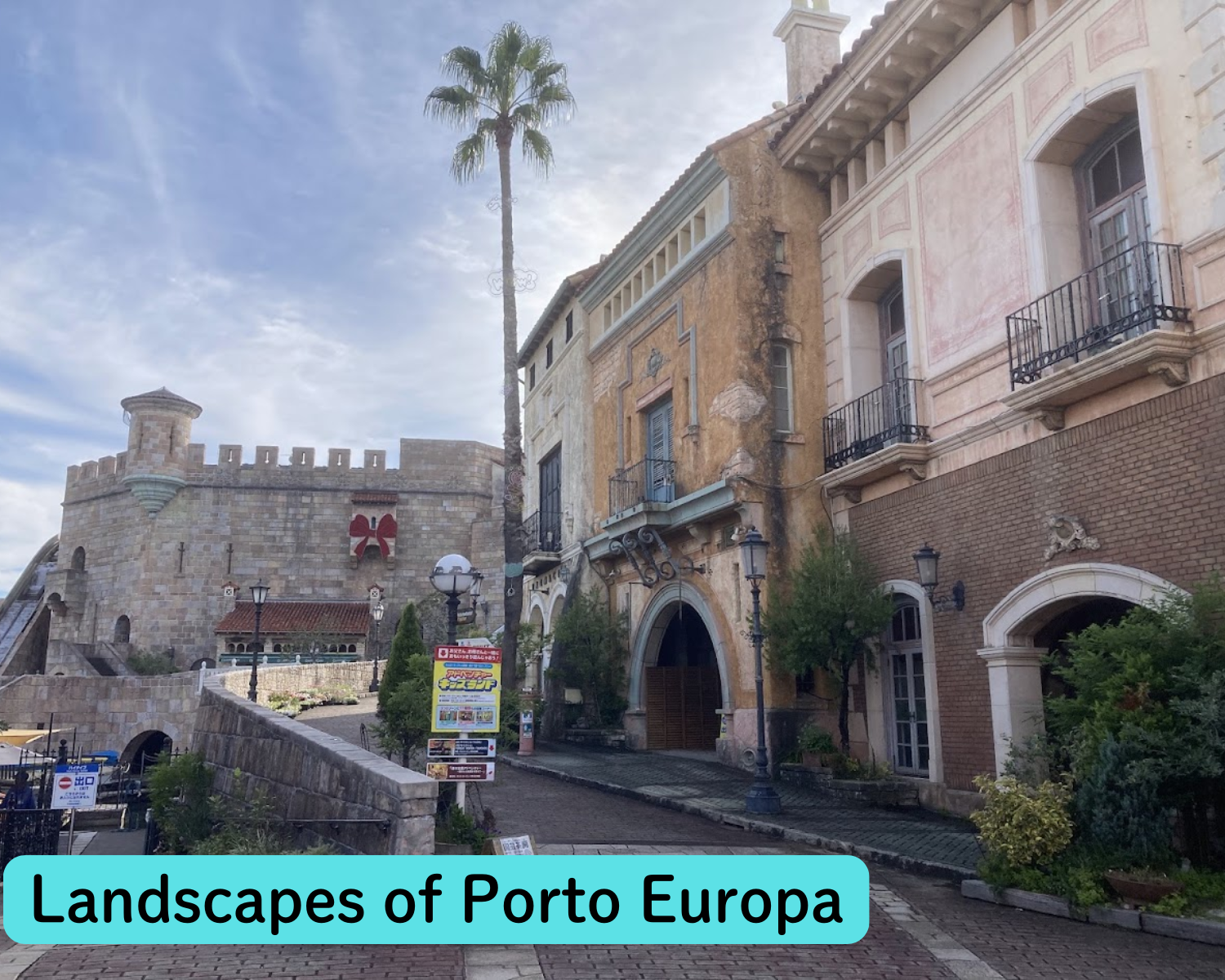
This exhibit is conceived to coexist with Porto Europa, the theme park within Marina City.
Porto Europe
By preserving its European streetscape and adding an exhibit about how Japan connected with the world by sea, the existing park and the new aquarium can enhance each other’s appeal.
Why is this planned as a future expansion?
At opening, the focus will be on journeys through Wakayama’s seas and waterscapes across Japan, establishing a clear identity for the aquarium. The Nanban trade exhibit is envisioned as a new journey that can grow out of that established world.
A phased approach would also make it easier to secure funding and plan investments in line with the project’s progress.

A journey begins in Wakayama.

“Look at the creatures that live here.”
“Let’s protect ecosystems.”

But also a journey through the history of how people have lived alongside nature.

Now, onward to an exciting future for Wakayama!